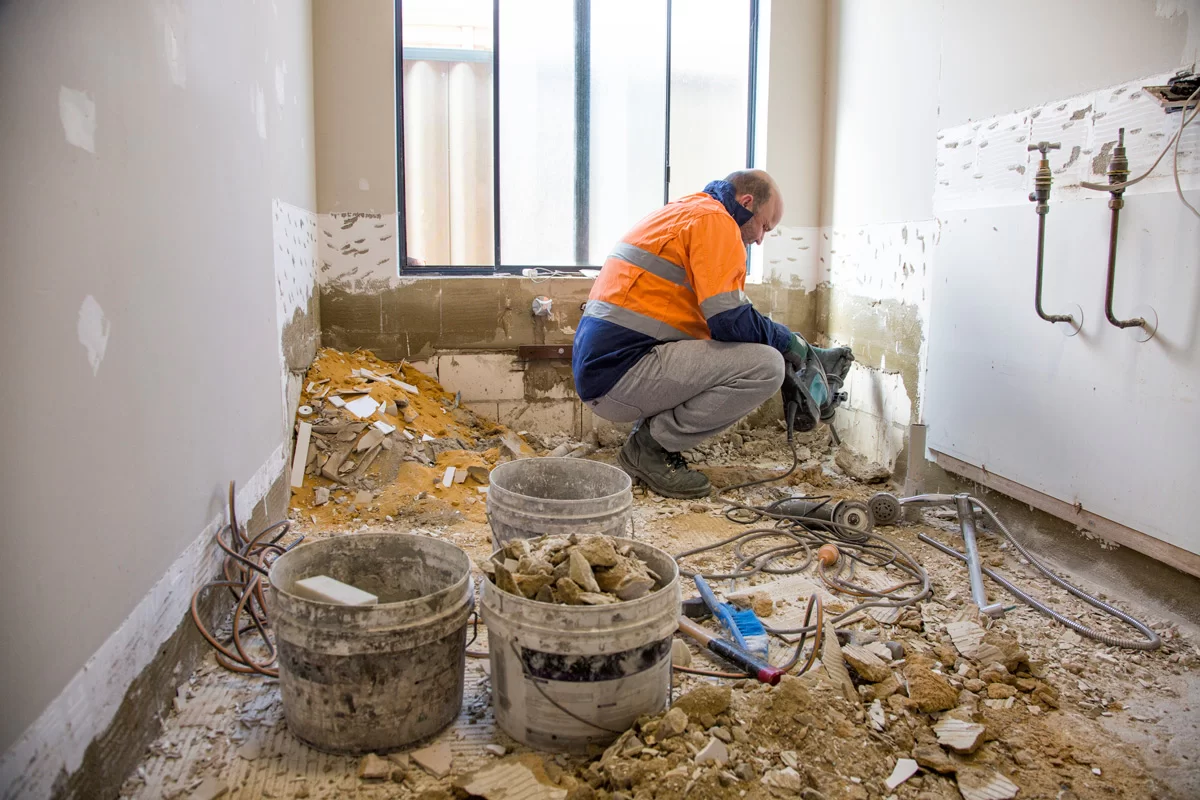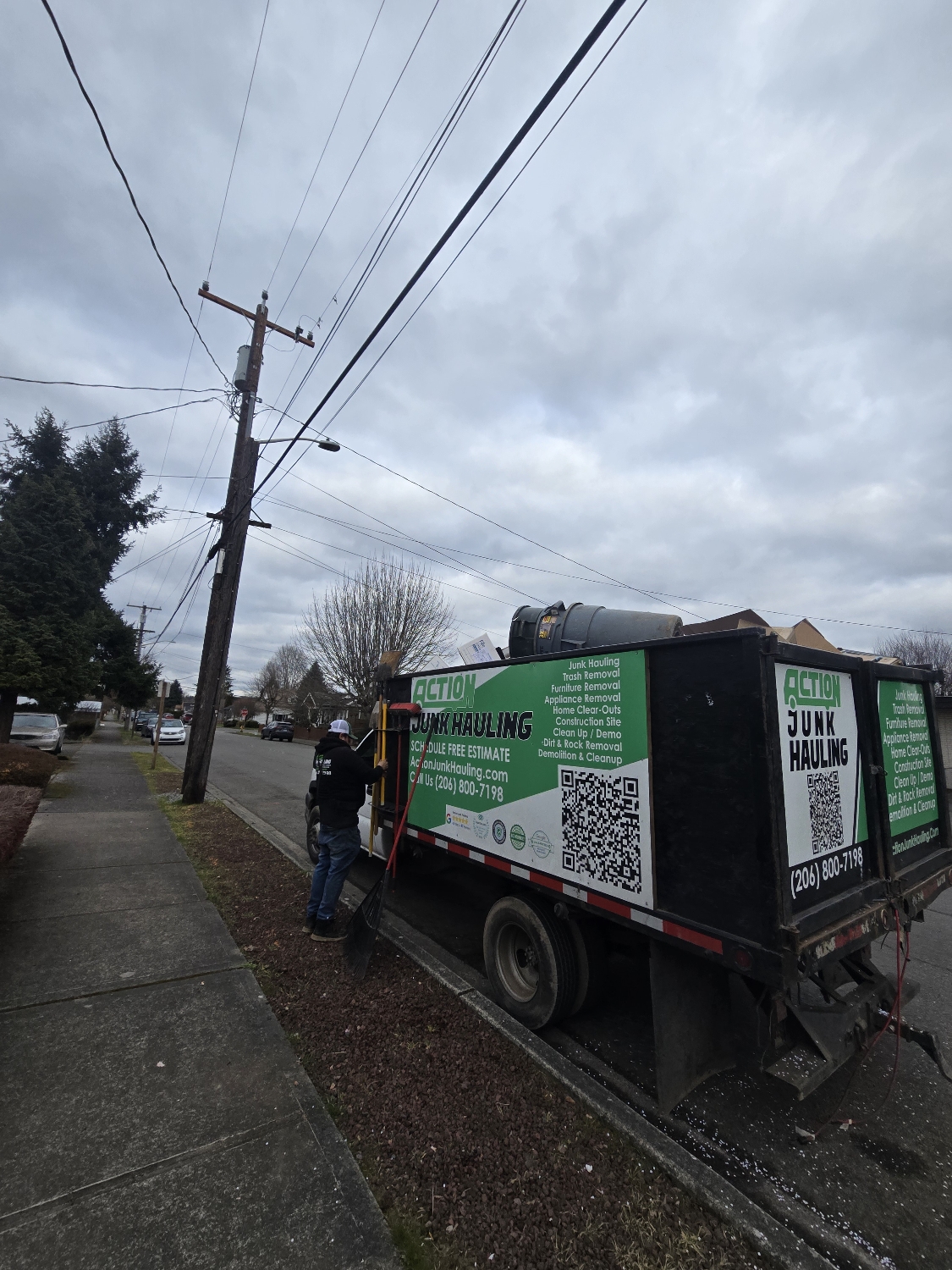
Specialized training provides workers with essential knowledge, practical skills, and greater confidence to handle complex safety challenges effectively. Comprehensive learning programs improve awareness, encourage responsible actions, and support dependable workplace performance. Strong safety education helps individuals recognize potential concerns while creating a foundation for safer and more efficient operations.
Advanced Knowledge Strengthens Safety Awareness
Detailed training helps workers understand challenging situations and develop the ability to respond with accuracy and confidence. A strong understanding of safety principles supports better decisions and improves overall workplace readiness.
- Builds deeper knowledge of safety procedures.
- Improves awareness of potential workplace risks.
- Encourages responsible decision-making.
- Supports confident responses during challenges.
- Strengthens professional capabilities.
Practical Training Improves Workplace Preparedness
Hands-on learning allows workers to apply important concepts in realistic situations. Practical experience helps develop better problem-solving abilities while ensuring individuals are prepared to manage responsibilities effectively.
- Enhances practical safety skills.
- Encourages accurate task management.
- Improves confidence during daily operations.
- Supports effective problem-solving methods.
- Reinforces reliable work practices.
Continuous Learning Supports Long-Term Performance
Regular training ensures workers continue developing their knowledge and adapting to changing safety requirements. Ongoing education creates opportunities for improvement while maintaining high standards of workplace performance.
- Keeps essential knowledge updated.
- Encourages continuous skill development.
- Promotes consistent safety practices.
- Supports professional growth.
- Improves operational reliability.
Clear Communication Builds Stronger Safety Practices
Effective communication plays an important role in managing complex safety challenges. Training encourages better collaboration, clearer understanding, and stronger teamwork among workers involved in daily activities.
- Improves communication between team members.
- Encourages cooperation during important tasks.
- Reduces confusion in challenging situations.
- Supports a positive safety environment.
- Strengthens shared workplace responsibility.
Workers and professionals interested in expanding their understanding of effective safety education can explore https://hoogewerf.nl/ for additional insights into structured learning approaches, skill development, and methods that support stronger workplace safety performance.
Professional Development Creates Lasting Benefits
Specialized safety training delivers valuable advantages by improving worker confidence, enhancing operational consistency, and supporting long-term success. Well-prepared teams contribute to smoother workflows and help maintain dependable performance through informed actions.
- Increases workplace efficiency.
- Supports stronger safety awareness.
- Enhances employee confidence.
- Encourages reliable operational outcomes.
- Creates opportunities for continuous improvement.
Specialized training remains an important part of building capable and knowledgeable teams. By combining practical learning, continuous education, and effective communication, workers can better navigate complex safety challenges while contributing to efficient and responsible operations. A strong commitment to professional development helps create lasting improvements, supports workplace confidence, and encourages a culture focused on excellence, reliability, and sustainable performance.